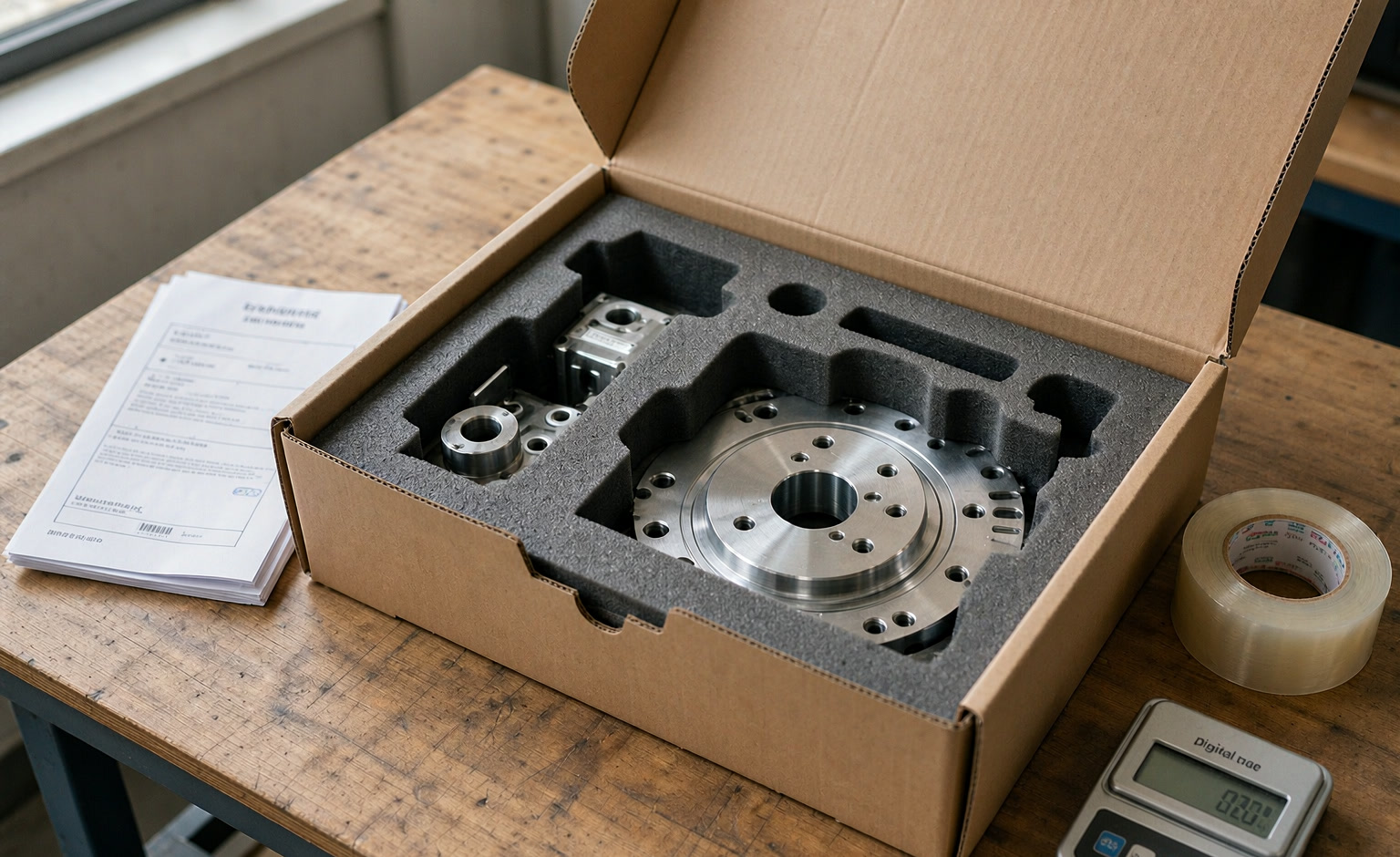
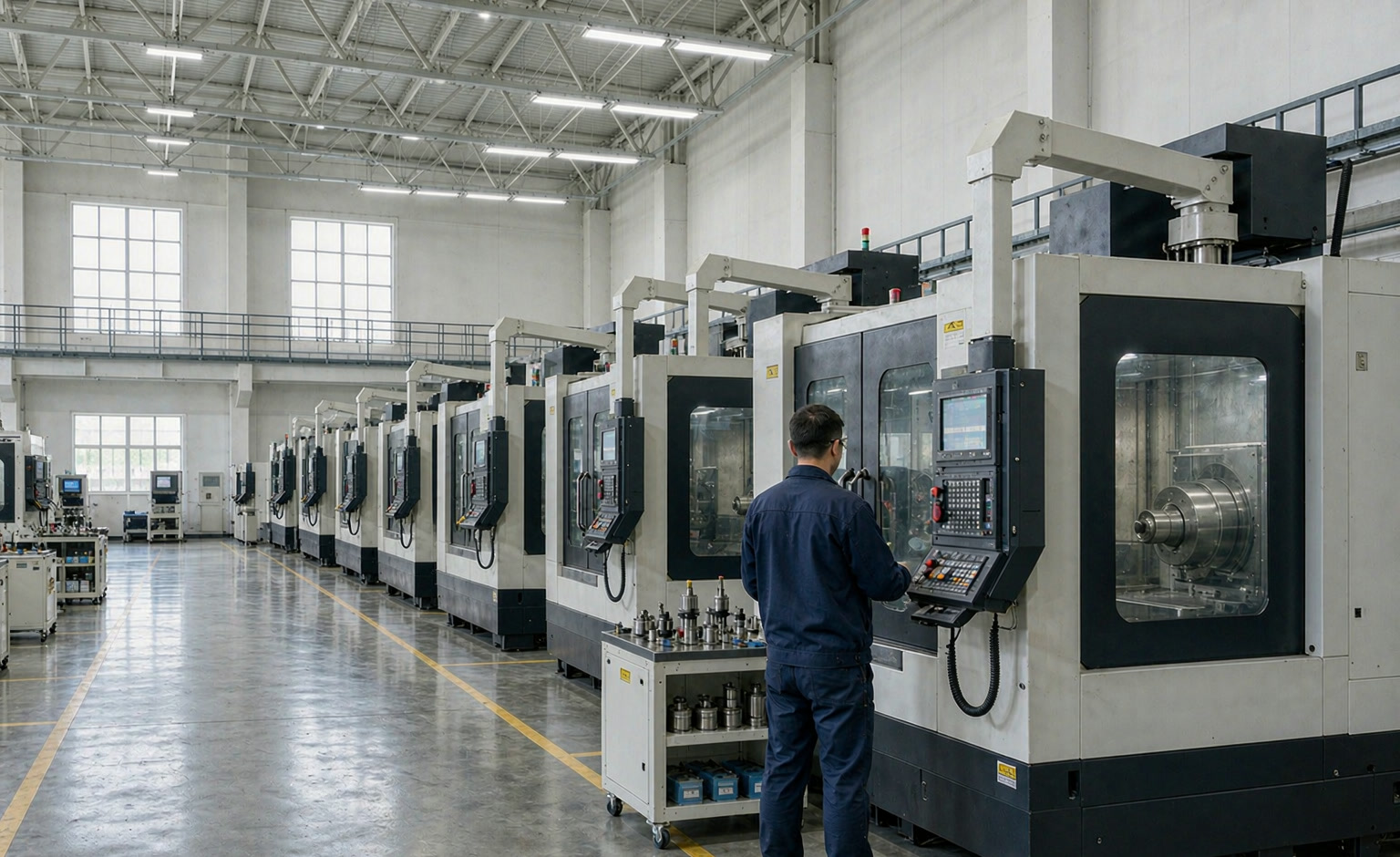
A small shop in Zhejiang for hardware teams stuck between prototype and production: magnets, technical ceramics, carbide and precision plastics, one to two thousand pieces. Send a drawing and the reply is about fit, price and date — or an honest no in the first line.
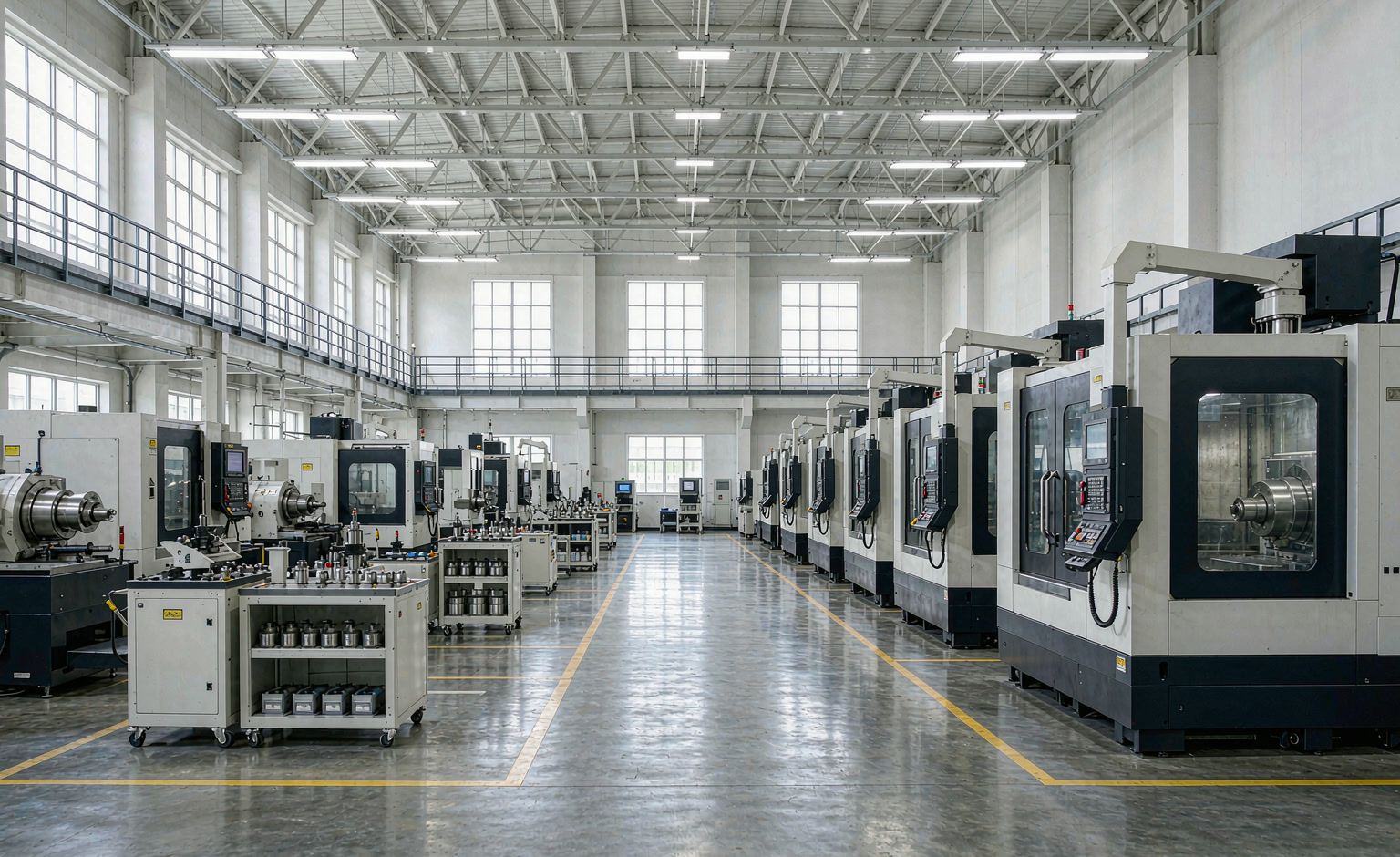
Illustration, not a photograph of this building. A live video walk-through is a better answer than a stock image — ask for one and you will see the actual floor at the address on the invoice.
Dates count from drawing sign-off with material in stock. Ceramics wait on the sintering run and hold ±0.05 mm after grinding; carbide and multi-process builds run longer. Every date is confirmed per part on the quote — this row is a shape, not a promise.
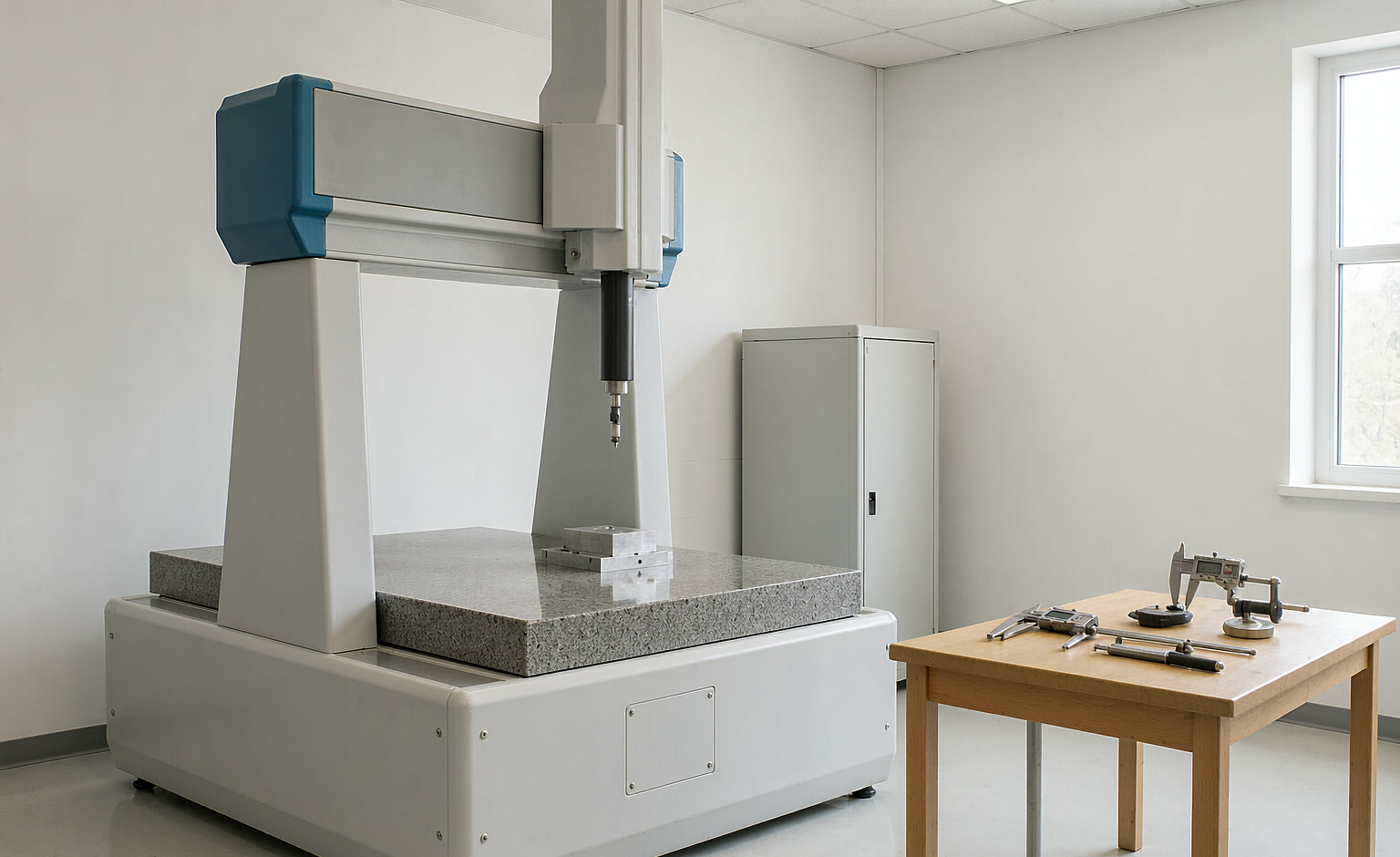
A website can claim anything. What you can actually check is a measurement taken on a part that exists, and the documents that travel with it. Those are the two things this shop puts on paper.
Factories quote 500–1,000 piece minimums, and a local job shop can charge $300–2,000 for a single part. Between those two prices sits the work this shop is set up for: too small for a production line, too expensive to hand-make. A drawing is not always required either — a dimensioned sketch or a marked-up photo is enough to quote a first article against.

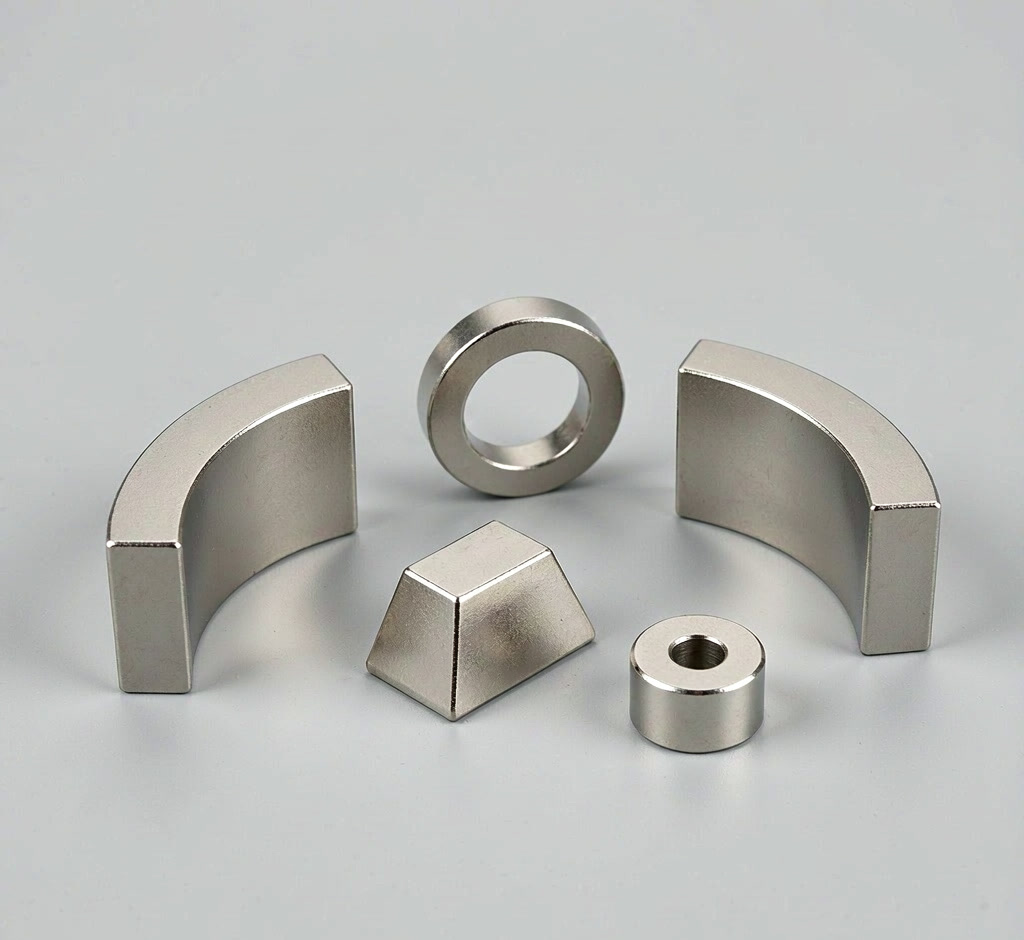
NdFeB, SmCo and ferrite. Arc, tile, ring, trapezoid and multi-pole magnetized parts, cut from standard blanks.
N35–N52 · H / SH / UH

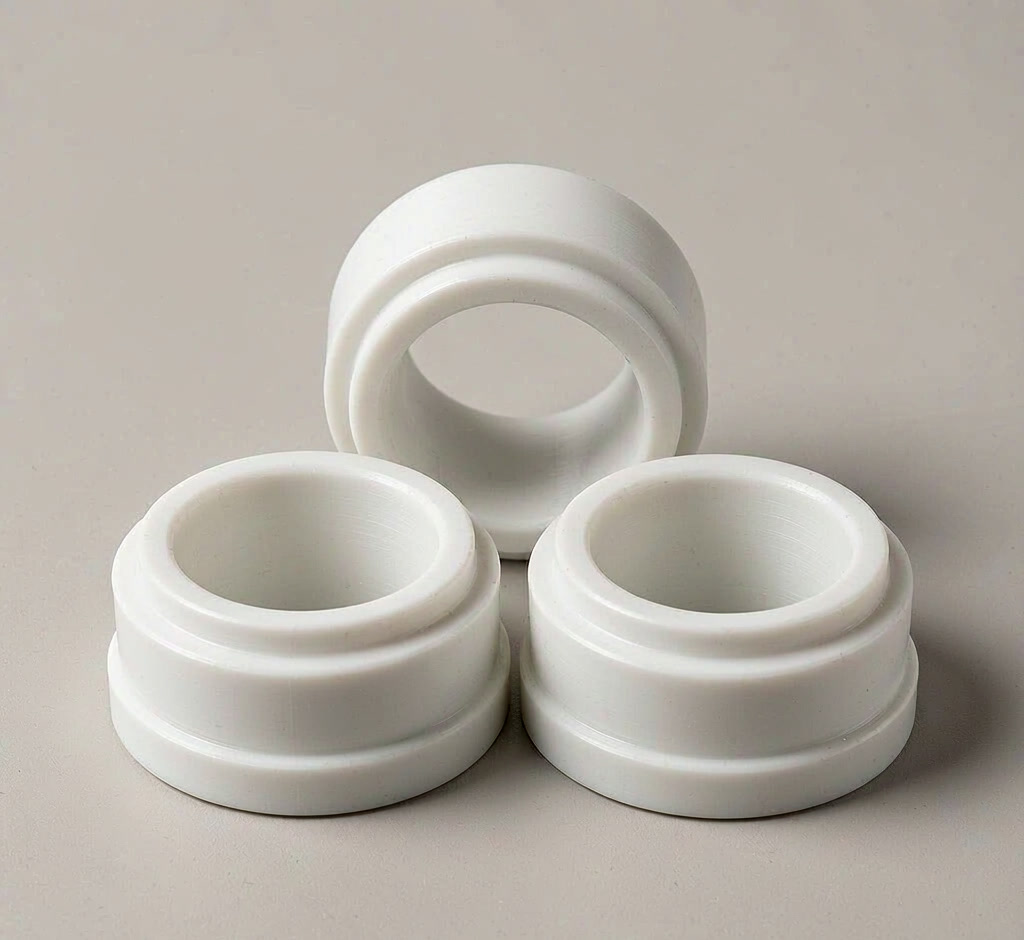
Zirconia, alumina and silicon nitride, green-machined before sintering so no mold is needed. Setup, wheel dressing and fixture time are still quoted — "no mold" is not the same as "no tooling". Electronic ceramics
3Y-TZP · 96–99.5% Al₂O₃

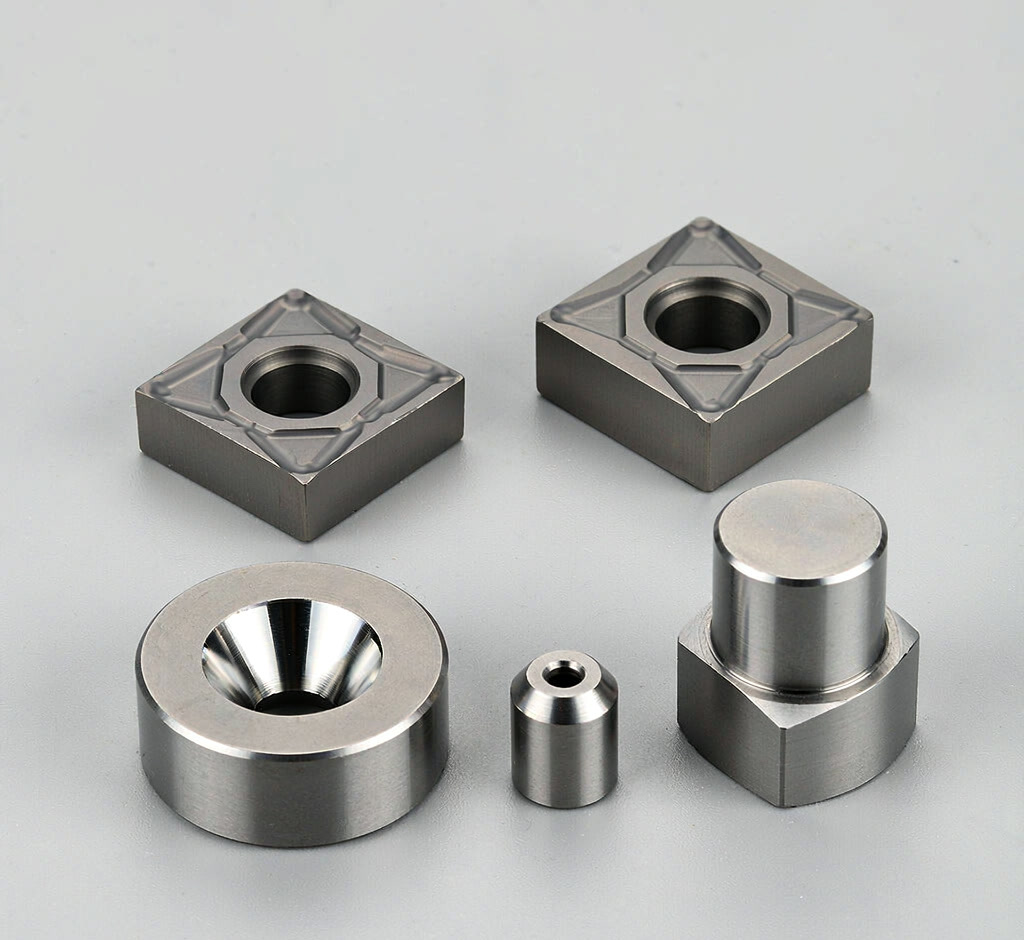
Non-standard inserts, punches, dies, nozzles, seal rings and form tools.
WC-Co · TiC-steel

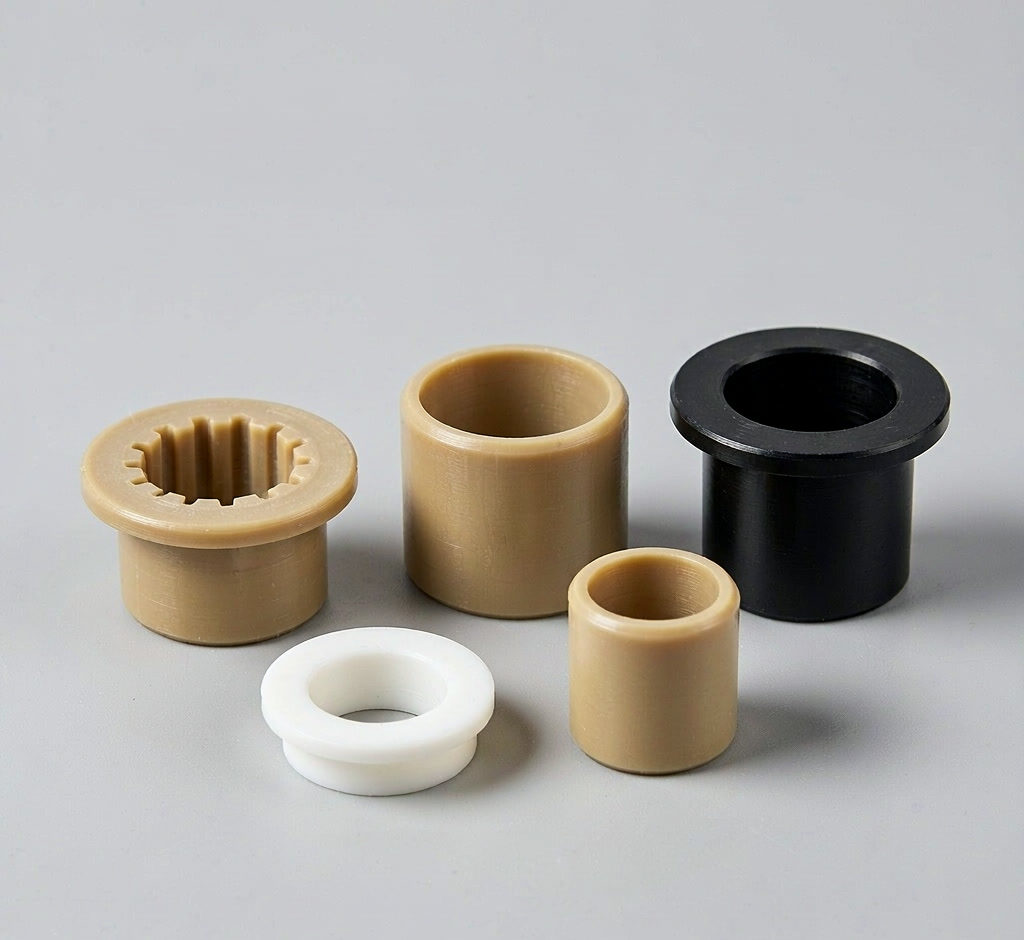
CNC plastics, and injection molding from 100 pieces on an aluminium tool — the tool is a separate line on the quote, never folded into the part price.
CNC · molding · assembly

Multi-part builds, labeling, individual packing and direct shipping. Terms and duties
One coordinated shipment
These are the site standard — the tolerance a feature gets when your drawing does not single it out. A specific callout is answered against the specific feature, not against a table.
| Item | Site standard |
|---|---|
| Metal | ±0.02 mm |
| Ceramic | ±0.05 mm after finish grinding |
| Magnets | ±0.05 mm wire-cut · ±0.01 mm ground |
| Accepted files | STEP, IGES, DXF, STL, or a PDF drawing |
| Finishing | NiCuNi, epoxy, zinc, passivation, anodizing, bead blasting |
| Process | Drawing review → quote → first article → small batch |
Tolerance is confirmed per feature, not per material. A 0.8 mm wall, a deep pocket, a 0.3 mm edge radius or a large flat face each move the number in a different direction — size, geometry and process change what is achievable, so a part is quoted against its own hardest feature. If your callout is tighter than the process holds, that is said in the quote, before you commit to anything.
Sintering a substrate and brazing copper onto it belong to the ceramics plants. Grinding it to thickness, holding the warp, cutting a non-standard outline and proving it measured is where small batches stop — so that is the part of the chain this shop runs.
Alumina, zirconia, silicon nitride, aluminium nitride, silicon carbide and machinable glass-ceramic — what each one is for, and exactly where our part of the chain starts and stops.
SN60 to SN120, why conductivity and strength pull against each other, the thickness arithmetic that lets silicon nitride match AlN, and the eight boundaries of the material.
Seven steps after the furnace: what runs here, what is sent out, what gets measured, and how consistency is proven across a lot.
No shopping cart, no minimum order value, and no "request a quote" button that vanishes into a CRM. This is the whole route, including where money changes hands — because that is the part buyers get surprised by.
The part itself, its dimensional report, photographs of the critical features, and the material certificate for the lot. It is a purchase you can inspect and refuse, not a free sample that arrives with a sales call.
The first article is paid before it is made, because by then the material and the setup are already spent. Tooling, programming and setup are their own lines on the quote. Nothing else is charged until you approve.
Out of tolerance at final inspection: you hear it before the shipment leaves, with the measurement and a photograph, and you choose — rework or remake at our cost with a new date, or ship as-is at a reduced price.
The drawing you send, the model built from it, and any tooling made against your order. We keep copies only for the retention period, and delete them on request.
You are being asked to send drawings and money to a company you have never visited. These are the things worth checking before you do — and they are all checkable.
Answered here so the first email can be about the part.
The first article, plus tooling or setup if the part needs it. Both are separate lines on the quote — never folded into a per-piece price and revealed later. If you want one number you can have it, but then you cannot see what you paid for the tool.
Metal and plastics run 7–12 days to a first article, counted from drawing sign-off with material in stock. Ceramics wait on the sintering run. Whatever the number is, it is on the quote with its start point written next to it — and if the date moves, you hear it the day it moves.
Quoting, programming and inspection — not the whole floor. Files sit on a controlled drive rather than being passed around by chat. We sign your NDA or send ours, and files are deleted when you ask. The four commitments →
DAP by default: you are the importer of record and pay duty through your broker, while our invoice covers parts and freight. DDP is available on request as one landed price. Payment is a deposit on order and the balance before shipment. Full terms →
Critical dimension out at final inspection: you hear it before the shipment leaves, with the measurement and a photograph, and you choose — rework or remake at our cost, or ship as-is at a reduced price. If a defect turns up after delivery, tell us the piece count and the failure mode; we decide within one reply and replace or credit.
Four separate decisions, four separate pages: Inspection & Quality · NDA & IP · Shipping, Duties & Payment · What we can show you
Tell us the material, the quantity and the date you need it. A dimensioned sketch or a marked-up photo works if a formal drawing does not exist yet. What comes back is a fit review, a price and a ship date — with the start point of that date written next to it.
Send a drawing for review